Author Archive

How To Reduce Inequality And Poverty In One Tax
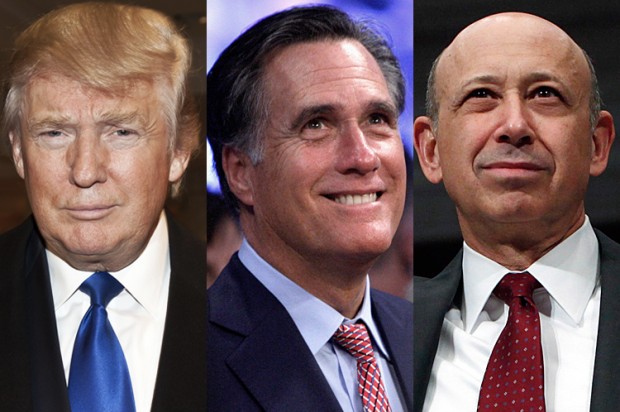
Trump Romney

The Article: End the 1 percent’s free ride: Taxing land would solve America’s biggest problems by Jesse Myerson in Salon.

The Text: Appealing to the overwhelming majority of Americans who believe the tax code is so complex that it needs “major changes or a complete overhaul,” Senate Finance Committee Chairman Max Baucus, D-Mont., and House Ways and Means Committee Chairman Dave Camp, R-Miss., have adorably started a joint Twitter handle: @simplertaxes. The bipartisan love fest is no doubt a heartfelt effort, but not very convincing from men who acquired the fancy titles by opening and maintaining loopholes for the ownership class. Baucus’ hot-off-the-presses tax reform proposals predictably simplify the code very little.

At present, neither party advocates the tax code so elegant it can reduce inequality, mitigate poverty, stimulate productivity, prevent asset price bubbles, stem community-shredding gentrification and drain the distended Wall Street cabal of its ill-gotten gains – in just one tax.

Continue Reading

Email

Not Even 1% Of Those Who Lost Insurance Will Pay More For Obamacare

Obamacare

The Article: If canceled, not even 1% will pay more for Obamacare: Study by Dan Mangan in CNBC.

The Text: Just a “tiny fraction” of Americans stand to lose their current health insurance plan and pay more for coverage under Obamacare, a new study said Thursday as concern over canceled policies remained a pressing issue for the White House.

The analysis found that only 0.6 percent of people under age 65 are at risk of losing their individual plan and having to pay higher premiums for coverage approved by the Affordable Care Act, according to Families USA, the consumer health advocacy group that issued the study.

Acknowledging that the study was an effort to counter a steady stream of bad publicity for the administration about canceled policies, Families USA Executive Director Ron Pollack added that 1.5 million people possibly losing insurance and paying more for new coverage is “not trivial.”

Continue Reading

Email

As Society Frays, Blame Overproduction Of Overeducated Rich

Overeducated Elites

The Article: Blame Rich, Overeducated Elites as Our Society Frays by Peter Turchin in Bloomberg.

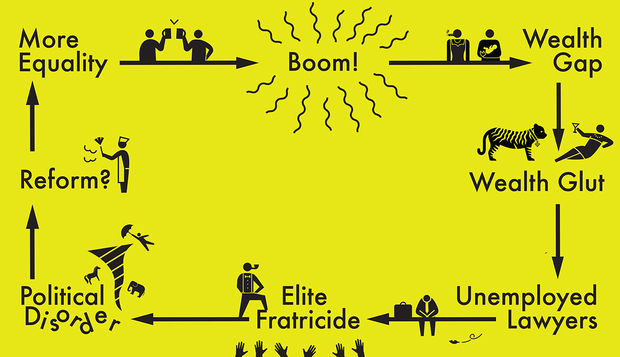
The Text: Complex human societies, including our own, are fragile. They are held together by an invisible web of mutual trust and social cooperation. This web can fray easily, resulting in a wave of political instability, internal conflict and, sometimes, outright social collapse.
Analysis of past societies shows that these destabilizing historical trends develop slowly, last many decades, and are slow to subside. The Roman Empire, Imperial China and medieval and early-modern England and France suffered such cycles, to cite a few examples. In the U.S., the last long period of instability began in the 1850s and lasted through the Gilded Age and the “violent 1910s.”

We now see the same forces in the contemporary U.S. Of about 30 detailed indicators I developed for tracing these historical cycles (reflecting popular well-being, inequality, social cooperation and its inverse, polarization and conflict), almost all have been moving in the wrong direction in the last three decades.

The roots of the current American predicament go back to the 1970s, when wages of workers stopped keeping pace with their productivity. The two curves diverged: Productivity continued to rise, as wages stagnated. The “great divergence” between the fortunes of the top 1 percent and the other 99 percent is much discussed, yet its implications for long-term political disorder are underappreciated. Battles such as the recent government shutdown are only one manifestation of what is likely to be a decade-long period.

Continue Reading

Email

Hate Is A Cheney Family Value

Cheney

The Article: Hate is a Cheney family value by Ana Marie Cox in The Guardian.

The Text: I already believe that Dick Cheney is among the luckiest men to ever walk the face of the planet. He will never have to pay, in real terms, for the blood of untold thousands he has on his hands. He will live out his days not just a free man but also with another human being’s heart beating relentlessly in his barrel chest. And, just this week, the eruption of a Cheney family schism over marriage equality falls fortuitously on the eve of the holiday season, just as so many of us face our own uncomfortable family gatherings.

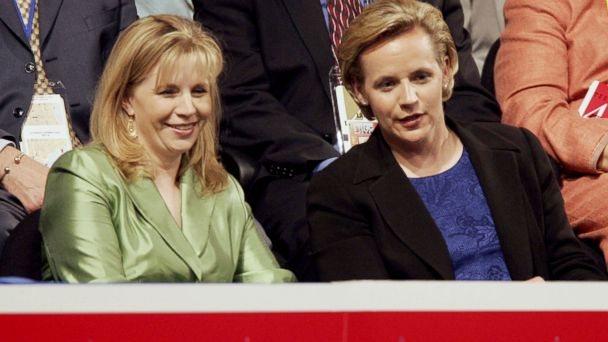
Almost every family contains a divide of some sort, papered over for gatherings by politesse or booze. It could be a simmering long-term dispute about team loyalties or political affiliations; it could be a snap debate over what movie to watch. My family has almost come to blows over bridge games; my father and his brother will probably never settle whether property and casualty insurance presents a greater actuarial challenge than life insurance. For the Cheney family, it’s that Liz Cheney doesn’t think her sister, Mary, who is married to another woman, should be equal under the law. “I do believe in the traditional definition of marriage,” Liz said on Fox News Sunday.

Continue Reading

Email

Is Billionaire Guilt A New Trend?

Billionaire Guilt

The Article: Billionaire Guilt — Is It A Trend? by Rick Ungar in Forbes.

The Text: Billionaires willing to support policies that come at their own financial expense is nothing particularly new. People like Warren Buffet and Bill Gates have long displayed a willingness to support policies that inur to the benefit of all Americans even when it might cost them a few bucks.

However, there is a new entry to the ranks of billionaires willing to speak the truth to the one-percenters at considerable expense of his own, sizable bank account—and he is someone who has been not only influenced the wealthy for many years but has also been responsible for making them a boatload of money.

More remarkably, he may be the first of his kind willing to admit that his good fortune has come at great cost to the American worker.

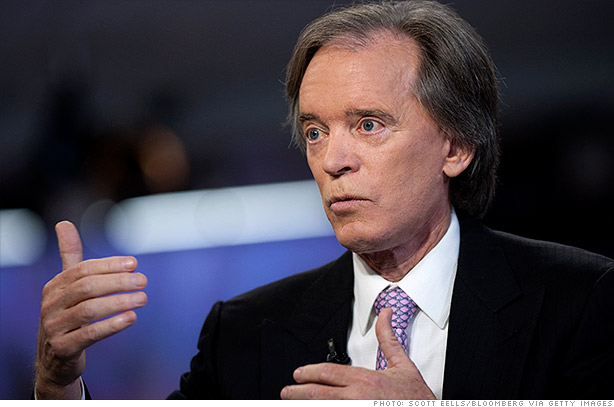
Bill Gross is the massively successful founder, managing director and co-CIO of PIMCO, the mega-bond fund that oversees nearly two trillion dollars worth of securities.

Continue Reading

Email

Hot On The Web